
Common Diesel Particulate Filter (DPF) problems include clogging, warning lights, reduced engine performance, and increased fuel consumption. These issues can harm your engine, reduce your vehicle's efficiency, and result in costly repairs if ignored.
Main DPF Problems
Clogged or Blocked DPF: Soot builds up in the filter faster than it can be burned off, causing blockages. This leads to engine backpressure, poor acceleration, and trouble with uphill driving or carrying heavy loads.
- Warning Lights: A DPF problem often triggers a warning light on the dashboard. This could be a DPF symbol or a general check engine light, signaling excess soot or high backpressure.
- Poor Engine Performance: Drivers may notice sluggish acceleration, loss of power, or stalling because exhaust gases cannot flow freely through a clogged filter.
- Frequent Regeneration Cycles: The filter tries to clear itself by burning off soot (regeneration). If you notice more frequent regenerations, the DPF may be struggling to stay clean, or a sensor could be malfunctioning.
- Increased Fuel Consumption: Your engine must work harder to push exhaust through a blocked filter, leading to lower miles per gallon and more trips to the gas station.
- Excessive Smoke and Odors: If the DPF isn't filtering soot properly, you may see black or white smoke from the exhaust, or notice burning smells—clear signs of filter trouble.
- Hard Starts, No Starts, or Turbocharger Issues: A severely blocked DPF can make it difficult or impossible to start the vehicle. The extra strain may damage the turbocharger and cause abnormal noises.
- Sensor Failures: Broken sensors can cause incorrect readings, failed regeneration, and even misdiagnosis of the problem, making it seem like the filter itself is bad when a sensor is to blame.
 What is a DPF?
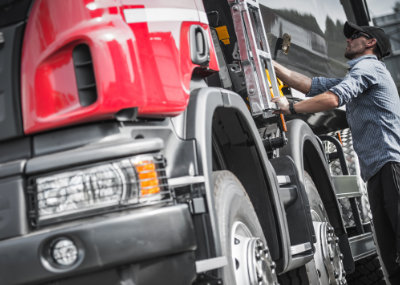 Proper Diesel Particulate Filter (DPF) maintenance is essential to keep diesel vehicles running smoothly, prevent costly repairs, and reduce emissions. Here are practical tips.
 Diesel Particulate Filters (DPFs) are critical not just for engine health, but also to meet strict environmental and legal standards in 2025. Here’s what drivers and fleets need to know about the legal requirements and environmental benefits of DPFs, from the experts at DPF Hero.